
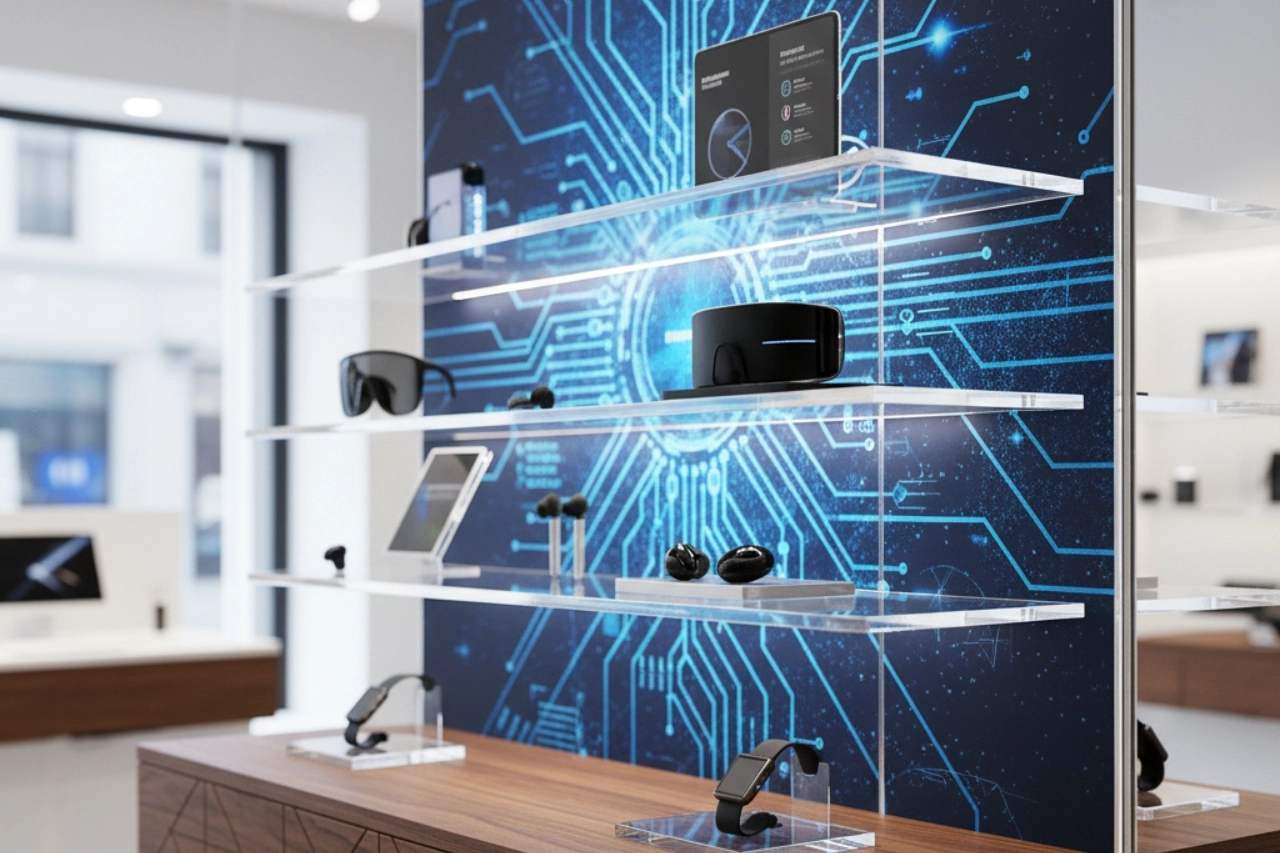
In 2025, the custom retail display is taking center stage in brick-and-mortar strategies, blending immersive design with data and technology to convert in-store traffic into actual revenue. As brands compete for attention in an increasingly experience-driven retail environment, the custom retail display is becoming an essential tool for engagement, storytelling, and conversion.
What makes a custom retail display so important in 2025?
A custom retail display is no longer just a decorative element—it’s a strategic asset. In a world where online shopping offers speed and convenience, physical stores must deliver something more: tactile, personalized, and emotionally engaging experiences. These displays allow brands to craft those experiences. Whether showcasing a new product line or creating a seasonal promo zone, they help direct customer attention, influence behavior, and reinforce brand identity. As foot traffic becomes harder to win, displays are being treated as frontline sales tools, designed to be agile and measurable.
How is technology transforming the custom retail display?
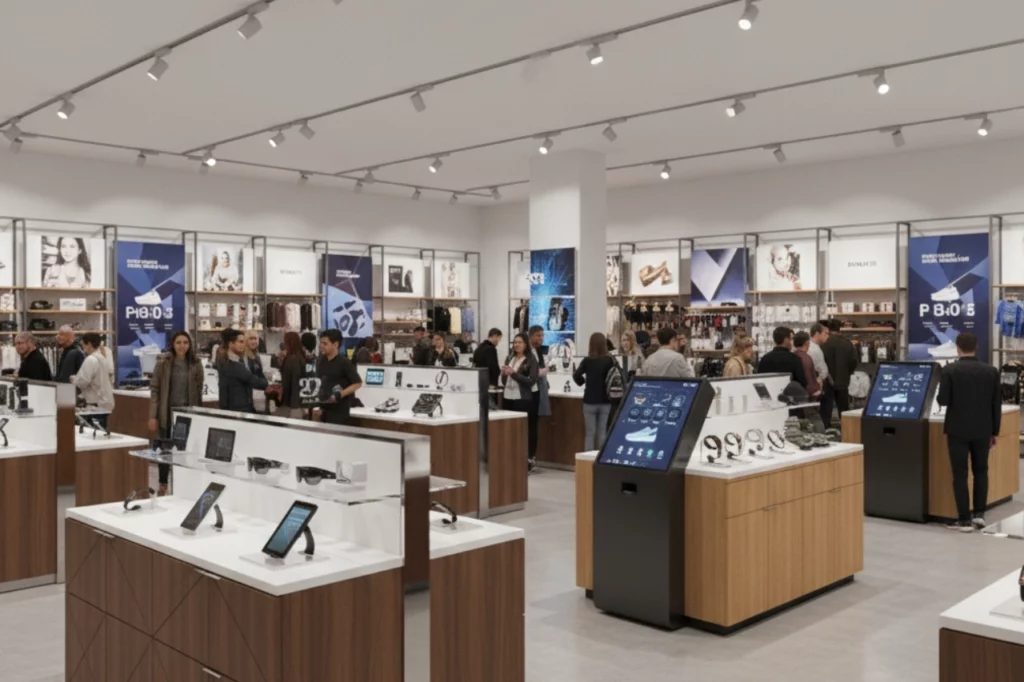
Technology is injecting new life into the function and form of the custom retail display. Interactive screens, QR codes, RFID tracking, and real-time content updates are increasingly standard. These elements turn static installations into responsive, trackable consumer touchpoints. Brands now use data to trigger different visuals based on time, location, or user proximity. For example, motion sensors can activate promotional messaging as a customer approaches. Some advanced displays even include AR elements, bridging physical presence with digital interaction. This evolution is being fueled by digital printing innovations like those available through Big Sky’s digital print services, enabling quick turnarounds for visually dynamic and customizable display elements.
What role does sustainability play in custom retail display design?
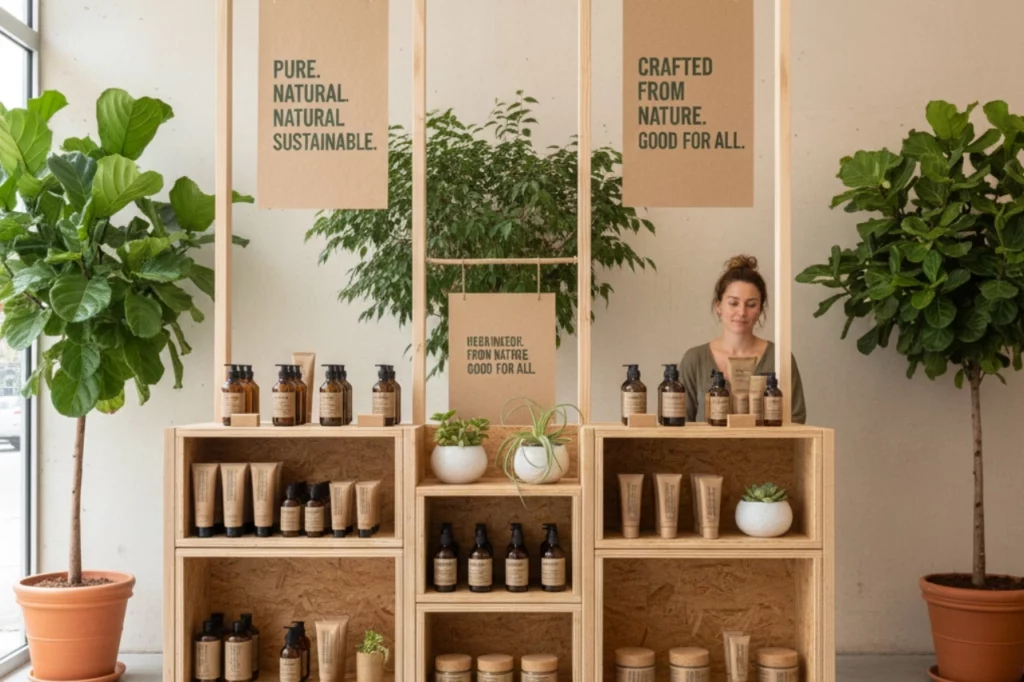
Sustainability is no longer optional—it’s a brand mandate. The custom retail display in 2025 is often built with recyclable or biodegradable materials, modular formats, and multi-use structures. Reusable components and low-waste production methods reduce both environmental impact and long-term costs. Brands are now considering the entire lifecycle of their display materials, from sourcing to disposal. Lightweight options like printed Corex boards offer eco-conscious versatility, while flatpack designs reduce shipping emissions. Eco-certifications are increasingly being requested by retailers and consumers alike, and sustainable design is now seen as a competitive differentiator.
Are personalization and data shaping custom retail display strategies?
Yes, personalization is evolving fast. It’s no longer enough for a custom retail display to feature brand colors or messaging—it must speak directly to the consumer. Brands are using customer data, local demographics, and even weather patterns to dynamically adjust content in real time. Store-by-store customization is now possible thanks to modular display components and smart print production. For example, with services like digital cutting, displays can be tailored with hyper-specific messaging or shapes to match the theme or layout of each location. The result: more relevant experiences and better conversion rates.

How are materials and finishes evolving in 2025?
Material selection in custom retail display design is now as strategic as the message itself. Textures like matte vinyl, printed glass, engraved wood, and acrylic blends are being used to convey brand sophistication, sustainability, or innovation. Advanced techniques such as laser engraving allow for stunning detail and tactile finishes that engage the senses. Brands are combining materials—mixing raw and polished surfaces—to evoke premium or artisanal cues. Visual impact remains king, but touch and durability are growing priorities as displays shift from temporary promo tools to lasting brand installations.
What are the most successful types of custom retail display in 2025?
High-performing custom retail display formats in 2025 include: freestanding product islands with built-in screens, illuminated end-cap displays for seasonal features, modular wall systems that can be updated with fresh visuals, and interactive kiosks that double as checkout or product education stations. The most successful ones are those that create flow—guiding customers naturally through the space while reinforcing key product stories. Leading retailers are using custom displays to stage brand narratives across multiple zones, integrating product sampling, demos, and digital signposting in a single cohesive format.
How does a custom retail display contribute to omnichannel strategies?
A custom retail display is now a key connector in omnichannel ecosystems. QR codes can link to mobile product pages, NFC chips can offer app-only discounts, and real-time content displays can sync with social media feeds or CRM platforms. This ensures that in-store touchpoints feed data into digital marketing systems and vice versa. Retailers are using these displays not just to sell, but to collect insights, drive loyalty program sign-ups, and support click-and-collect models. Displays have evolved from passive objects to active brand interfaces, enhancing cross-channel fluidity and reinforcing consistent brand messaging.
What role does fabrication play in agile display production?
Agile retail requires agile production. Fabrication has become a critical link between creative vision and in-store execution. With integrated services like Big Sky’s fabrication capabilities, brands can rapidly prototype, test, and deploy a custom retail display across multiple locations. This is especially crucial for brands running pop-ups, seasonal rollouts, or high-volume campaigns. Speed and precision in fabrication mean that displays are not just fast to market—they’re also tailored, consistent, and structurally reliable.
How is visual storytelling being amplified through display printing?
Print remains one of the most powerful tools for visual storytelling in-store. With ultra-HD options like flatbed printing, retailers can apply vibrant, full-color imagery directly to wood, metal, or acrylic—transforming raw materials into brand experiences. This allows storytelling at eye level, creating emotional touchpoints in every aisle or display zone. Typography, photography, and color schemes are being used in layered combinations to create ambiance, educate shoppers, and build narrative arcs. In an era of shortened attention spans, strong visual storytelling gives brands a way to anchor customer attention instantly.
What should retailers focus on when designing a custom retail display this year?
Retailers in 2025 should design with intent: think beyond aesthetics to purpose, interaction, and adaptability. Prioritize displays that are modular, durable, and aligned with the brand’s visual language. Use materials that support sustainability goals and formats that can be easily updated for new promotions. Don’t overlook logistics—weight, ease of assembly, and storage efficiency all impact ROI. And lastly, always integrate your physical strategy with digital tactics. A good starting point is collaborating with a solution provider like Big Sky who can bridge design, production, and execution seamlessly.